
 EN
EN
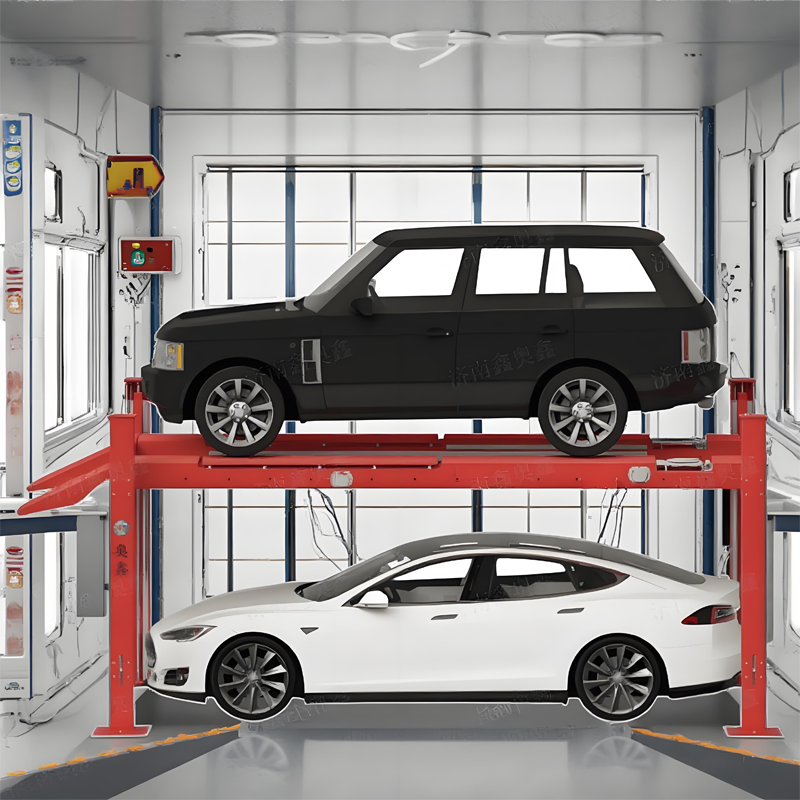
Automotive workshops face constant pressure to improve efficiency while managing rising operational costs. Labor expenses represent one of the largest budget items for most service centers, making cost reduction strategies essential for maintaining profitability. Car hydraulic lifters have emerged as a transformative solution that significantly reduces manual labor requirements while enhancing safety and productivity. These mechanical systems revolutionize how technicians access vehicle undercarriages, eliminating the physical strain and time-consuming processes associated with traditional lifting methods.
Modern automotive service centers require sophisticated equipment to handle increasingly complex vehicles while maintaining competitive service rates. The integration of advanced lifting systems directly impacts operational efficiency by reducing the time technicians spend on vehicle positioning and access preparation. Workshop owners who invest in quality hydraulic lifting equipment typically observe measurable improvements in service turnaround times and overall customer satisfaction rates.
Understanding the Economics of Workshop Labor Costs
Direct Labor Cost Components in Automotive Service
Labor costs in automotive workshops encompass multiple factors beyond basic hourly wages. Technician compensation packages include benefits, insurance, training expenses, and productivity-related bonuses that collectively represent substantial overhead. Additionally, workshops must account for non-productive time when technicians struggle with inadequate equipment or inefficient processes. The cumulative effect of these factors often exceeds 40% of total operational expenses in typical service centers.
Equipment downtime creates cascading cost effects throughout workshop operations. When technicians cannot efficiently access vehicle systems due to inadequate lifting capabilities, service appointments extend beyond scheduled timeframes. This inefficiency reduces the number of vehicles serviced daily while increasing per-job labor allocation. Professional-grade car hydraulic lifters eliminate these bottlenecks by providing reliable, rapid vehicle positioning that maximizes technician productivity.
Hidden Costs of Inefficient Vehicle Access
Traditional vehicle lifting methods often require multiple technicians to safely position heavy vehicles, doubling labor costs for routine maintenance tasks. Manual lifting processes also increase injury risk, potentially resulting in workers compensation claims and temporary staffing shortages. These hidden expenses significantly impact workshop profitability while reducing overall operational capacity. Modern hydraulic systems address these challenges by enabling single-operator vehicle positioning with enhanced safety protocols.
Time waste represents another significant hidden cost factor in workshops lacking proper lifting equipment. Technicians spend considerable time preparing makeshift lifting solutions or struggling with inadequate tools. This non-productive time directly translates to reduced revenue potential and increased per-service labor costs. Quality hydraulic lifting systems eliminate these inefficiencies by providing immediate, reliable access to vehicle undercarriages.
Hydraulic Lift Technology and Operational Efficiency
Advanced Hydraulic System Capabilities
Contemporary car hydraulic lifters incorporate sophisticated control systems that enable precise positioning and load management. These systems feature electronic sensors that monitor weight distribution and automatically adjust lifting parameters for optimal safety. Advanced models include programmable height presets that allow technicians to quickly position vehicles at predetermined service levels. This automation reduces setup time while ensuring consistent, safe working conditions across different vehicle types.
Modern hydraulic lifters also feature rapid cycling capabilities that significantly reduce vehicle positioning time. High-performance systems can elevate standard passenger vehicles to full service height within 30-60 seconds, compared to several minutes required for manual alternatives. This speed improvement allows workshops to process more vehicles daily while reducing customer wait times. The reliability of professional hydraulic systems also minimizes service interruptions caused by equipment failures.
Integration with Workshop Workflow Systems
Professional hydraulic lifting equipment integrates seamlessly with existing workshop management systems to optimize service scheduling and resource allocation. Smart lift systems can communicate with workshop software to track service bay utilization and predict maintenance requirements. This data integration enables managers to optimize technician assignments and minimize idle time between services. The result is improved workshop throughput and reduced labor costs per vehicle serviced.
Quality car hydraulic lifters also support flexible workflow configurations that adapt to varying service requirements. Adjustable positioning capabilities allow workshops to accommodate different vehicle sizes and service types without requiring specialized equipment for each application. This versatility reduces equipment investment costs while maximizing utilization rates across diverse service offerings.
Safety Improvements and Risk Reduction Benefits
Workplace Safety Enhancement Through Automation
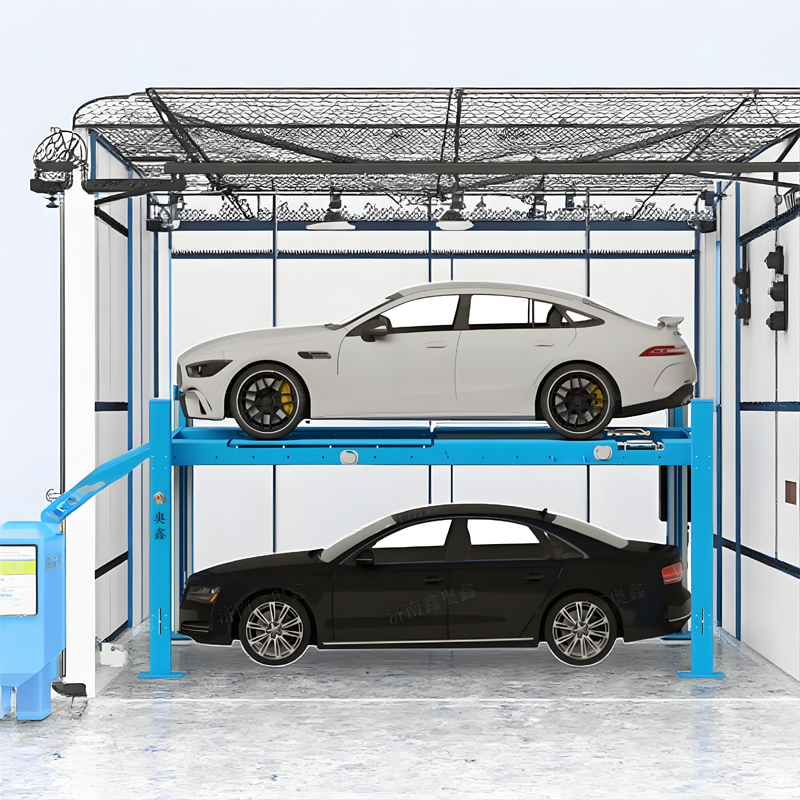
Hydraulic lifting systems dramatically improve workshop safety by eliminating manual handling of heavy vehicles and components. Automated lifting mechanisms reduce the risk of back injuries, muscle strains, and crushing accidents that commonly occur with traditional lifting methods. Professional-grade systems include multiple safety features such as emergency stops, load monitoring, and automatic locking mechanisms that protect both technicians and vehicles during service operations.
Enhanced safety protocols directly impact workshop labor costs by reducing injury-related absences and workers compensation premiums. Fewer workplace injuries result in improved technician retention and reduced recruitment costs. Additionally, safer working conditions contribute to higher employee morale and productivity levels. Insurance providers often offer reduced premiums for workshops that demonstrate commitment to safety through proper equipment investments.
Compliance with Occupational Safety Standards
Modern automotive workshops must comply with strict occupational safety regulations that mandate safe lifting practices and equipment standards. Professional hydraulic lifting systems help workshops meet these requirements while demonstrating due diligence in employee protection. Compliance with safety standards reduces legal liability and protects workshop owners from potential litigation costs. Regular safety audits become more straightforward when workshops utilize certified hydraulic equipment that meets industry standards.
Investment in quality safety equipment also positions workshops favorably for insurance coverage and regulatory inspections. Documented safety practices supported by proper equipment create positive relationships with regulatory agencies and insurance providers. This compliance foundation supports long-term business sustainability while protecting against unexpected legal or financial challenges related to workplace safety incidents.
Return on Investment Analysis for Hydraulic Lift Systems
Calculating Direct Cost Savings Through Efficiency Gains
Workshops can calculate tangible returns from hydraulic lift investments by measuring time savings per service appointment. A typical oil change that requires 45 minutes with manual lifting can be completed in 25 minutes using professional hydraulic equipment. This 20-minute time savings per service translates to approximately 30% more daily appointments capacity. Over monthly periods, this efficiency improvement generates substantial additional revenue while reducing per-service labor allocation.
Labor cost reduction becomes particularly significant for workshops performing complex services requiring extended vehicle access. Brake system repairs, transmission services, and exhaust work benefit dramatically from stable, adjustable vehicle positioning. Technicians work more efficiently when they can focus on repair tasks rather than struggling with vehicle access challenges. The cumulative effect of these improvements typically justifies hydraulic lift investment within 12-18 months.
Long-term Financial Benefits and Equipment Durability
Professional car hydraulic lifters represent long-term investments that provide decades of reliable service when properly maintained. Quality systems feature robust construction designed for continuous commercial use in demanding workshop environments. The durability of professional equipment reduces replacement costs while maintaining consistent performance standards. Extended equipment life cycles improve return on investment calculations while providing predictable operational costs.
Equipment financing options and tax depreciation benefits further improve the financial attractiveness of hydraulic lift investments. Many manufacturers offer flexible payment plans that allow workshops to acquire professional equipment without significant upfront capital requirements. Additionally, business equipment purchases typically qualify for accelerated depreciation schedules that provide immediate tax benefits. These financial advantages reduce the effective cost of hydraulic lift systems while improving cash flow management.
Implementation Strategies for Maximum Cost Reduction
Workshop Layout Optimization for Hydraulic Systems
Successful implementation of car hydraulic lifters requires careful consideration of workshop layout and workflow patterns. Optimal positioning of hydraulic equipment maximizes accessibility while minimizing vehicle movement requirements. Professional installation teams assess existing workshop configurations to identify the most effective equipment placement strategies. Proper planning ensures that new lifting systems integrate seamlessly with existing tools and service bay arrangements.
Workflow optimization extends beyond equipment placement to include technician training and procedure development. Workshops achieve maximum cost reduction benefits when staff members understand proper equipment operation and maintenance procedures. Comprehensive training programs ensure that technicians utilize hydraulic systems efficiently while maintaining safety standards. Regular refresher training maintains optimal performance levels and prevents equipment misuse that could increase maintenance costs.
Maintenance Planning and Equipment Longevity
Preventive maintenance programs are essential for maximizing the cost-reduction benefits of hydraulic lifting equipment. Regular inspection and service schedules prevent minor issues from developing into costly repairs that disrupt workshop operations. Professional maintenance contracts often provide cost-effective solutions for busy workshops that lack specialized hydraulic system expertise. These programs ensure optimal equipment performance while extending system life cycles.
Documentation of maintenance activities supports warranty compliance while providing valuable performance data for future equipment decisions. Detailed maintenance records help workshops identify usage patterns and optimize service schedules for maximum equipment availability. This proactive approach minimizes unexpected downtime while maintaining consistent labor cost reductions throughout equipment operational life.
FAQ
How much can workshops typically save on labor costs with hydraulic lifters?
Most workshops experience labor cost reductions of 20-35% for services requiring vehicle lifting when implementing professional hydraulic systems. The exact savings depend on service mix, current lifting methods, and equipment utilization rates. Workshops performing high volumes of undercar services typically achieve the greatest cost reduction benefits.
What is the typical payback period for hydraulic lift equipment investments?
Professional car hydraulic lifters typically pay for themselves within 12-24 months through labor cost savings and increased service capacity. High-volume workshops often achieve payback in under 12 months, while smaller operations may require 18-24 months. The payback period depends on equipment cost, utilization rates, and current operational efficiency levels.
Do hydraulic lifters require specialized technician training?
Modern hydraulic lifting systems are designed for intuitive operation, but proper training ensures safe and efficient use. Most manufacturers provide comprehensive training programs that cover operation, safety procedures, and basic maintenance. Initial training typically requires 4-8 hours, with periodic refresher sessions recommended to maintain optimal performance standards.
What maintenance requirements do hydraulic lift systems have?
Professional hydraulic lifters require routine maintenance including fluid changes, seal inspections, and safety system testing. Most systems need professional service every 6-12 months, depending on usage levels. Daily visual inspections and basic cleaning help prevent problems while ensuring continued safe operation. Maintenance costs typically represent 2-5% of equipment purchase price annually.