
 EN
EN
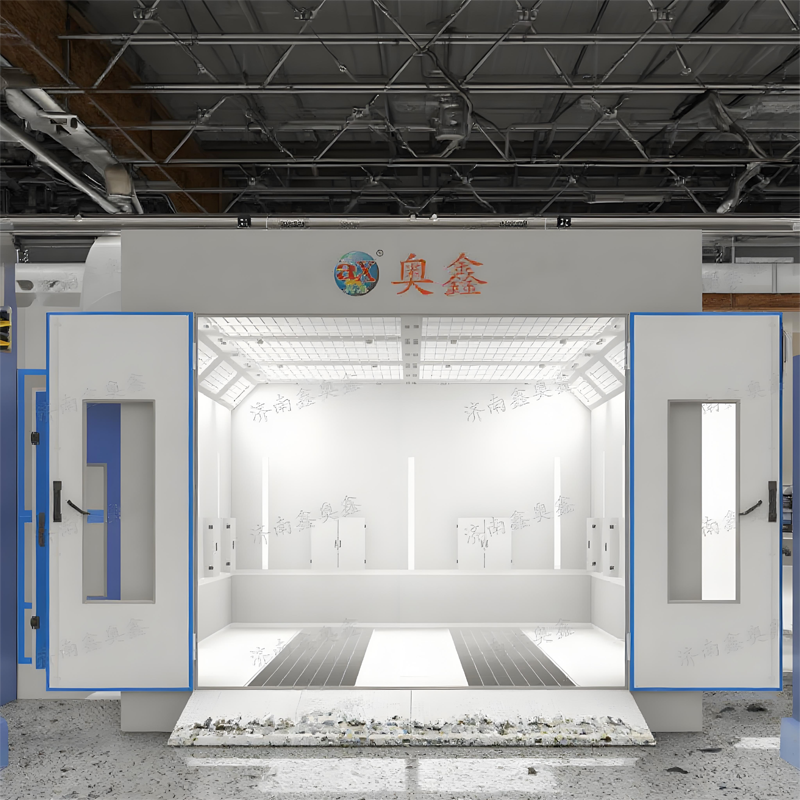
Environmental sustainability has become a critical priority for manufacturing facilities worldwide, particularly in industries that rely heavily on coating and finishing processes. Paint booths represent one of the most significant investments manufacturers can make to reduce their environmental impact while maintaining operational efficiency. Modern coating systems are designed to minimize waste, reduce energy consumption, and eliminate harmful emissions that can affect both worker health and the surrounding community.
The integration of advanced paint booth technology addresses multiple environmental challenges simultaneously. These systems capture volatile organic compounds before they can escape into the atmosphere, filter particulate matter from air streams, and optimize material usage to reduce waste generation. Industrial facilities that implement comprehensive coating solutions often see dramatic improvements in their environmental compliance metrics and operational costs.
Manufacturing companies face increasing pressure from regulatory agencies, customers, and stakeholders to demonstrate their commitment to sustainable practices. Paint booth systems provide a measurable way to achieve these goals while maintaining the quality standards required for competitive products. The technology has evolved significantly over the past decade, offering manufacturers more efficient and environmentally friendly options than ever before.
Air Quality Management Through Advanced Filtration Systems
Volatile Organic Compound Capture Technology
Modern paint booths utilize sophisticated filtration systems that capture volatile organic compounds at their source, preventing these harmful chemicals from entering the atmosphere. These systems typically employ multi-stage filtration processes that can remove up to 99% of airborne contaminants during the coating process. The captured compounds are then processed through thermal oxidation or carbon adsorption systems that neutralize them before any air is released to the environment.
The effectiveness of VOC capture technology has improved dramatically with the introduction of enhanced airflow designs and intelligent monitoring systems. These advancements allow facilities to maintain consistent capture rates even during high-volume production periods. Manufacturers can now achieve compliance with even the most stringent air quality regulations while maintaining the production speeds necessary for competitive operations.
Particulate Matter Reduction Strategies
Paint overspray represents a significant source of particulate pollution in manufacturing environments, but modern booth designs have virtually eliminated this concern through advanced capture and filtration technologies. High-efficiency filtration systems remove microscopic paint particles from exhaust air streams, ensuring that only clean air is released to the surrounding environment. These systems also protect equipment and facility infrastructure from paint contamination.
The latest filtration media can capture particles as small as 0.3 microns while maintaining optimal airflow characteristics throughout the booth. This level of filtration performance ensures that both environmental and worker safety requirements are met consistently. Regular maintenance schedules and filter replacement programs help maintain peak performance levels throughout the equipment lifecycle.
Energy Efficiency Innovations in Paint Booth Design
Heat Recovery and Thermal Management
Energy consumption represents one of the largest operational costs associated with paint booth operation, but innovative heat recovery systems have transformed the efficiency equation for manufacturing facilities. These systems capture waste heat from curing ovens and exhaust streams, redirecting this energy to preheat incoming air or provide facility heating during colder months. The result is often a 30-50% reduction in overall energy consumption compared to traditional booth designs.
Thermal management systems also contribute to more consistent coating quality by maintaining optimal temperature conditions throughout the painting process. This consistency reduces the need for rework and quality control issues that can increase material waste and energy consumption. Smart control systems continuously monitor and adjust thermal conditions to maintain peak efficiency under varying production loads.
LED Lighting and Smart Controls
The transition from traditional fluorescent lighting to LED systems has created significant energy savings opportunities for paint booth operations. LED lighting systems consume up to 60% less energy while providing superior color rendering and illumination consistency for coating applications. These systems also generate less heat, reducing the cooling load on booth ventilation systems and further improving overall energy efficiency.
Smart control systems integrate lighting, airflow, and temperature management into unified platforms that optimize energy consumption based on production schedules and environmental conditions. A standard paint booth equipped with these advanced controls can automatically adjust operating parameters to minimize energy use during low-production periods while maintaining readiness for immediate full-capacity operation.
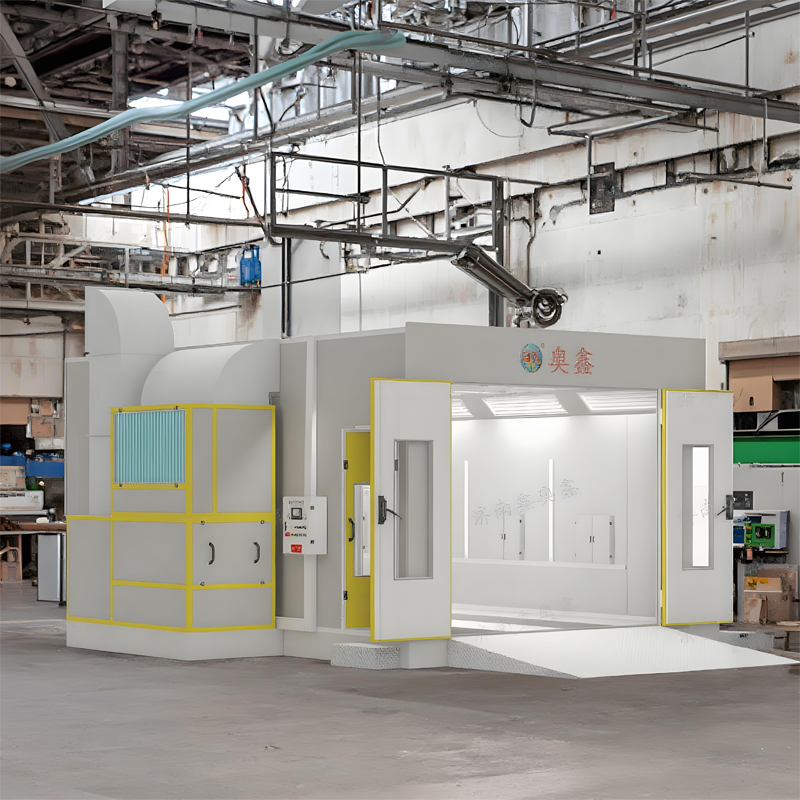
Waste Reduction and Material Optimization
Paint Transfer Efficiency Improvements
Modern paint booth designs focus heavily on maximizing paint transfer efficiency, which directly translates to reduced material waste and lower environmental impact. Advanced spray gun technologies and optimized airflow patterns can achieve transfer efficiencies of 80% or higher, compared to 30-40% efficiency rates common with older systems. This improvement means that significantly more paint reaches the intended target rather than becoming overspray waste.
Electrostatic spray systems represent one of the most effective approaches to improving transfer efficiency. These systems charge paint particles as they leave the spray gun, creating an electrical attraction between the paint and the grounded workpiece. This technology ensures that paint particles follow optimal trajectories to the target surface, minimizing waste and reducing cleaning requirements for booth maintenance.
Automated Color Change Systems
Color change operations traditionally generated significant waste due to line purging and equipment cleaning requirements between different paint formulations. Automated color change systems have revolutionized this process by minimizing purge volumes and enabling rapid transitions between colors without extensive manual cleaning. These systems can reduce color change waste by up to 90% compared to manual processes.
The integration of automated color change technology with production planning systems allows manufacturers to optimize job sequencing to minimize color changes and associated waste. Smart scheduling algorithms can arrange production runs to group similar colors together, further reducing material consumption and booth downtime. This optimization provides both environmental and economic benefits for manufacturing operations.
Regulatory Compliance and Reporting Benefits
Environmental Monitoring Integration
Contemporary paint booth systems include comprehensive environmental monitoring capabilities that provide real-time data on emissions, energy consumption, and waste generation. These monitoring systems enable facilities to demonstrate compliance with environmental regulations while identifying opportunities for further improvements. Automated reporting functions simplify the documentation requirements for regulatory submissions and environmental management system audits.
The data collected by environmental monitoring systems also supports continuous improvement initiatives by identifying trends and patterns in environmental performance. Facilities can use this information to optimize operating procedures, schedule maintenance activities, and plan equipment upgrades to maximize environmental benefits. The transparency provided by these systems helps build trust with regulatory agencies and community stakeholders.
Documentation and Audit Support
Maintaining comprehensive documentation of environmental performance has become essential for manufacturing facilities seeking to demonstrate their sustainability commitments. Modern paint booth control systems automatically generate detailed records of emissions data, energy consumption patterns, and waste generation metrics. These records provide the documentation foundation needed for environmental management system certifications and regulatory compliance demonstrations.
Audit preparation becomes significantly more efficient when facilities have access to automated documentation systems. Environmental auditors can quickly review performance data and verify compliance with applicable regulations without extensive manual record review. This efficiency reduces audit costs while providing greater confidence in compliance status for facility management teams.
Economic Benefits of Environmental Sustainability
Operational Cost Reductions
The economic benefits of environmentally sustainable paint booth operations extend far beyond regulatory compliance costs. Energy efficiency improvements typically generate immediate reductions in utility expenses, while waste reduction initiatives decrease material costs and disposal fees. Many facilities recover their investment in advanced paint booth technology within 18-24 months through these operational savings alone.
Maintenance costs also decrease when facilities implement advanced paint booth technologies. Improved filtration systems reduce equipment contamination, while automated systems minimize wear and tear associated with manual operations. The result is extended equipment lifecycles and reduced maintenance labor requirements, contributing to overall cost effectiveness of sustainable coating operations.
Market Competitiveness and Customer Requirements
Customer expectations regarding environmental sustainability have evolved significantly, with many major manufacturers now requiring their suppliers to demonstrate measurable environmental performance improvements. Paint booth investments enable facilities to meet these requirements while potentially qualifying for preferred supplier status with environmentally conscious customers. This competitive advantage can translate directly to increased business opportunities and revenue growth.
Certification programs such as ISO 14001 environmental management systems often require specific environmental performance metrics that modern paint booth systems can readily support. Achieving these certifications opens access to new markets and customer segments that prioritize environmental responsibility in their supplier selection processes. The documentation capabilities of advanced booth systems simplify the certification process while providing ongoing compliance monitoring.
FAQ
How much can paint booths reduce environmental emissions compared to traditional methods
Modern paint booths can reduce volatile organic compound emissions by 95-99% compared to open spray operations, while particulate emissions are typically reduced by 98% or more. These reductions are achieved through advanced filtration systems, thermal oxidation technology, and optimized airflow designs that capture contaminants at their source. The specific reduction percentages depend on the booth configuration, filtration system selection, and operational procedures implemented by the facility.
What are the typical energy savings achieved with modern paint booth technology
Energy consumption reductions of 30-50% are commonly achieved when facilities upgrade from older paint booth systems to modern designs with heat recovery, LED lighting, and smart controls. Heat recovery systems alone can reduce heating costs by 40-60% by capturing and reusing waste heat from curing ovens and exhaust streams. LED lighting upgrades typically reduce lighting energy consumption by 50-70% while providing superior illumination quality for coating operations.
How do paint booths help with regulatory compliance requirements
Paint booths provide comprehensive solutions for meeting air quality regulations, hazardous waste management requirements, and occupational safety standards. Automated monitoring systems generate the documentation needed for regulatory reporting while ensuring continuous compliance with emission limits. The containment and filtration capabilities of modern booths enable facilities to meet even the most stringent environmental regulations while maintaining productive operations.
What maintenance requirements are associated with environmentally sustainable paint booth systems
Preventive maintenance programs typically include filter replacement every 3-6 months, annual calibration of monitoring systems, and quarterly inspection of ventilation components. Advanced booth designs often include predictive maintenance capabilities that monitor system performance and alert operators when maintenance is needed. While initial maintenance requirements may seem extensive, the automated nature of modern systems actually reduces overall maintenance labor compared to older booth technologies.
Table of Contents
- Air Quality Management Through Advanced Filtration Systems
- Energy Efficiency Innovations in Paint Booth Design
- Waste Reduction and Material Optimization
- Regulatory Compliance and Reporting Benefits
- Economic Benefits of Environmental Sustainability
-
FAQ
- How much can paint booths reduce environmental emissions compared to traditional methods
- What are the typical energy savings achieved with modern paint booth technology
- How do paint booths help with regulatory compliance requirements
- What maintenance requirements are associated with environmentally sustainable paint booth systems