
 EN
EN
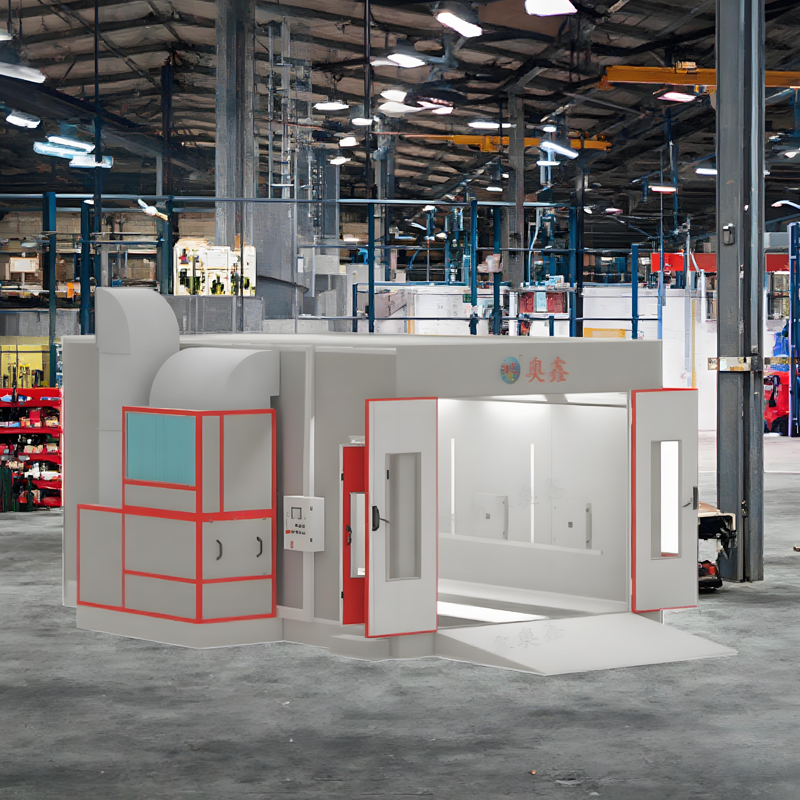
Manufacturing industries across automotive, aerospace, marine, and furniture sectors require specialized painting solutions that standard equipment cannot adequately address. A custom spray booth represents the pinnacle of industrial finishing technology, engineered to meet the precise requirements of specific applications, environmental conditions, and production volumes. Unlike off-the-shelf alternatives, these tailored solutions incorporate advanced airflow dynamics, temperature control systems, and contamination prevention measures that align perfectly with industry-specific standards and regulations.
The design process for specialized painting enclosures involves comprehensive analysis of operational parameters, including part dimensions, production throughput, coating materials, and quality specifications. Engineers must consider factors such as air circulation patterns, filtration efficiency, heating capabilities, and safety compliance to create optimal finishing environments. Modern industrial facilities increasingly demand solutions that maximize efficiency while minimizing environmental impact and operational costs.
Industry-Specific Design Considerations
Automotive Manufacturing Requirements
Automotive production facilities require painting systems capable of handling diverse vehicle components, from small hardware pieces to complete body assemblies. Temperature uniformity becomes critical when applying base coats, color coats, and clear protective finishes to ensure consistent appearance and durability. The custom spray booth design must accommodate robotic application systems while maintaining precise environmental controls throughout extended production cycles.
Airflow velocity requirements in automotive applications typically range from 100 to 150 feet per minute to prevent overspray contamination while ensuring adequate particle removal. Advanced filtration systems incorporating multiple stages of media capture paint particles, dust, and other contaminants that could compromise finish quality. Temperature control systems must maintain stability within narrow ranges, often requiring sophisticated heating and cooling mechanisms integrated with humidity management.
Aerospace Component Finishing
Aerospace manufacturing demands exceptional precision in coating applications due to stringent performance requirements and safety regulations. Components must withstand extreme temperature variations, corrosive environments, and mechanical stresses throughout their operational lifecycle. Specialized painting enclosures for aerospace applications incorporate clean room protocols, advanced contamination control, and documentation systems for quality traceability.
The design specifications for aerospace finishing systems often include Class 10,000 or better air cleanliness standards, requiring sophisticated filtration and air handling equipment. Materials of construction must resist chemical interaction with specialized coatings such as primers, topcoats, and protective treatments used in aircraft manufacturing. Environmental monitoring systems continuously track temperature, humidity, particle counts, and air velocity to ensure compliance with industry standards.
Advanced Airflow Engineering
Computational Fluid Dynamics Optimization
Modern design methodologies employ computational fluid dynamics modeling to optimize air circulation patterns within painting enclosures. These sophisticated simulations predict airflow behavior around complex geometries, identifying potential dead zones, turbulence areas, and contamination risks before construction begins. Engineers can evaluate multiple design iterations virtually, reducing development time and ensuring optimal performance characteristics.
Airflow optimization focuses on achieving laminar flow characteristics that minimize particle suspension while providing adequate overspray capture. The positioning of air supply plenums, exhaust systems, and internal baffles requires precise calculation to maintain uniform velocity distribution across the entire work area. Advanced designs incorporate variable speed controls and zone-specific adjustments to accommodate different part configurations and coating requirements.
Filtration System Integration
Multi-stage filtration systems represent critical components in specialized painting environments, removing particles, chemical vapors, and other contaminants that could affect coating quality. Primary filters capture large particles and debris, while secondary stages utilize high-efficiency media to remove submicron contaminants. Activated carbon systems may be incorporated for volatile organic compound removal, particularly in applications involving solvent-based coatings.
Filter selection considers particle size distribution, chemical compatibility, and pressure drop characteristics to optimize system performance. Automatic filter monitoring systems track differential pressure across filter banks, providing maintenance alerts and ensuring consistent air quality. Some applications require HEPA filtration capabilities, particularly in industries with stringent cleanliness requirements or when applying specialized coating materials.
Temperature and Environmental Control Systems
Precision Heating Technologies
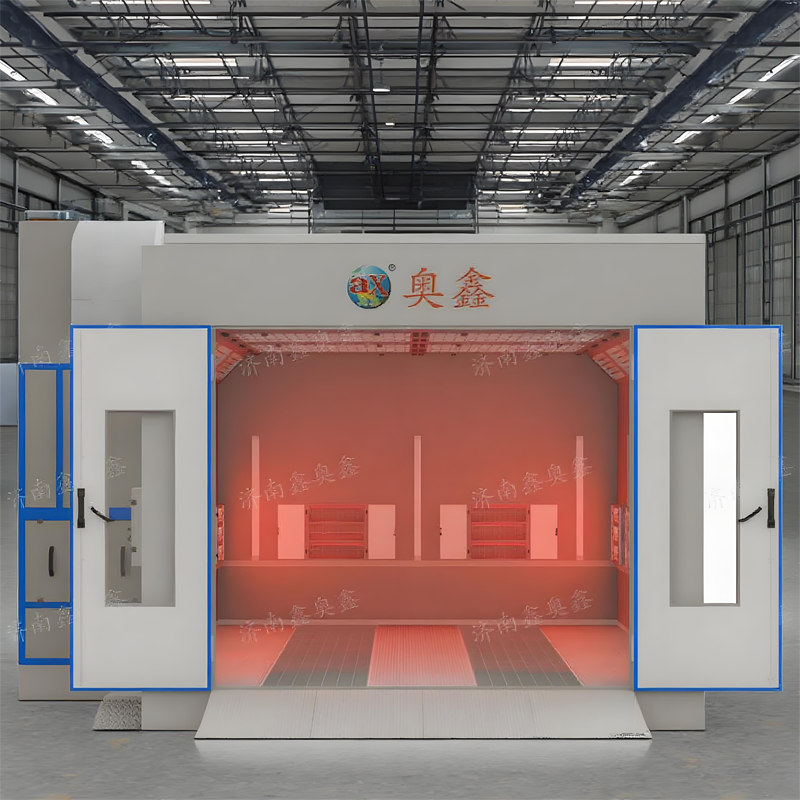
Temperature control systems in industrial painting environments must provide uniform heating throughout the enclosure while maintaining precise setpoint accuracy. Gas-fired heating systems offer rapid temperature response and cost-effective operation for large volume applications. Electric heating elements provide clean, precise control ideal for applications requiring exceptional temperature uniformity or when gas infrastructure is unavailable.
Heat distribution systems utilize sophisticated ductwork designs to ensure uniform temperature profiles across the entire work area. Recirculation systems recover waste heat from exhaust air streams, improving energy efficiency while maintaining environmental conditions. Advanced control systems monitor temperature at multiple locations, automatically adjusting heating output to compensate for thermal losses and maintain optimal conditions.
Humidity Management Solutions
Humidity control becomes particularly critical in applications involving water-based coatings or when operating in climates with significant seasonal variations. Dehumidification systems remove excess moisture that could cause coating defects such as blushing, poor adhesion, or extended drying times. Conversely, humidification may be required in arid climates to prevent static electricity buildup and ensure proper coating flow characteristics.
Integrated environmental control systems coordinate temperature and humidity management to maintain optimal conditions throughout coating and curing cycles. Desiccant dehumidification systems provide precise moisture control while minimizing energy consumption compared to refrigeration-based alternatives. Real-time monitoring systems track environmental parameters continuously, providing alerts when conditions drift outside specified ranges.
Safety and Compliance Features
Fire Suppression Integration
Fire safety systems in painting environments must address the unique risks associated with flammable coatings, solvents, and heated air streams. Specialized suppression systems utilize water mist, foam, or chemical agents designed to extinguish fires without damaging equipment or creating additional hazards. Detection systems incorporate multiple sensor technologies to identify fire conditions rapidly and initiate appropriate responses.
Explosion prevention measures include proper electrical classification, static electricity dissipation, and emergency ventilation systems. Pressure relief panels provide protection against internal explosions while minimizing structural damage. Emergency shutdown systems automatically secure heating equipment, stop air circulation, and activate suppression systems when hazardous conditions are detected.
Regulatory Compliance Systems
Environmental regulations governing volatile organic compound emissions, particulate discharge, and worker exposure require sophisticated monitoring and control systems. Continuous emission monitoring systems track pollutant levels in exhaust streams, ensuring compliance with local air quality standards. Documentation systems maintain records of emissions, maintenance activities, and operational parameters required for regulatory reporting.
Worker safety systems include emergency eyewash stations, safety showers, and respiratory protection equipment integrated into booth designs. Air quality monitoring systems continuously track chemical concentrations within work areas, providing warnings when exposure limits are approached. Proper ventilation design ensures adequate fresh air supply while maintaining negative pressure to prevent contamination of adjacent areas.
FAQ
What factors determine the sizing requirements for industrial painting enclosures?
Sizing requirements depend on the largest parts to be coated, production volume requirements, and operational workflow considerations. The enclosure must provide adequate clearance around parts for operator access and equipment manipulation while maintaining proper airflow characteristics. Additional space may be required for robotic systems, material handling equipment, and maintenance access.
How do energy efficiency considerations impact design decisions?
Energy efficiency optimization focuses on heat recovery systems, insulation specifications, and air circulation design to minimize operational costs. Variable speed drives on air handling equipment allow adjustment of airflow rates based on operational requirements. LED lighting systems reduce heat load while providing superior illumination for quality inspection activities.
What maintenance requirements should be considered during the design phase?
Maintenance accessibility requires careful consideration of filter replacement procedures, cleaning access, and service clearances for mechanical equipment. Removable panels and access doors facilitate routine maintenance while maintaining structural integrity and environmental sealing. Automated monitoring systems reduce manual inspection requirements while providing early warning of maintenance needs.
How do specialized coatings affect environmental control requirements?
Specialized coating materials may require specific temperature profiles, extended curing times, or modified atmospheric conditions during application and drying phases. Some coatings are sensitive to humidity levels or require inert gas environments to prevent oxidation. The environmental control system must accommodate these requirements while maintaining worker safety and environmental compliance.